Bougainville Green-Blue Economic Policy Research Insights
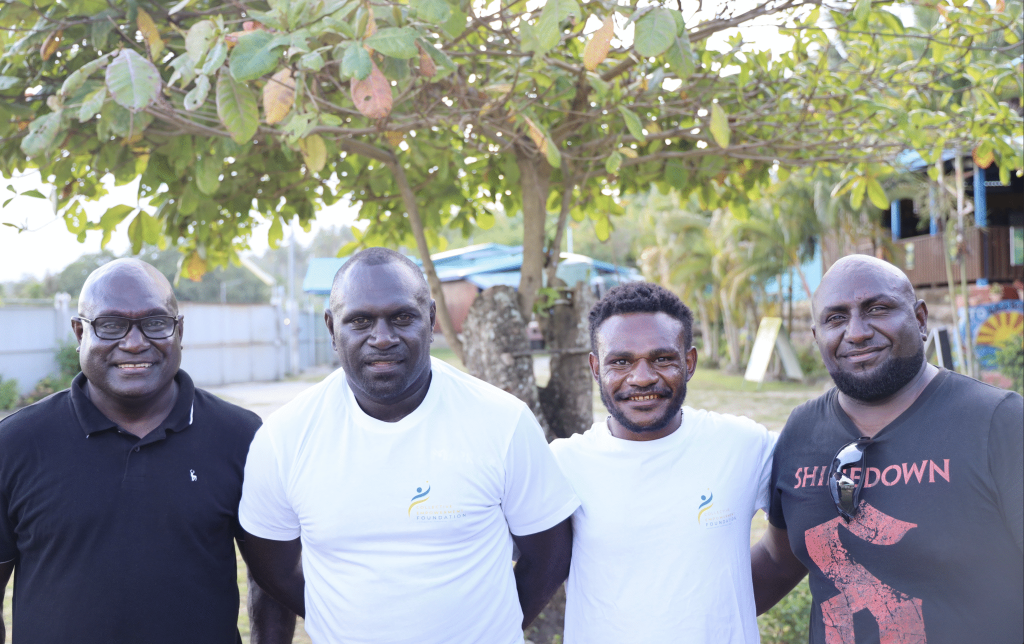
PICTURE (left to right): Dr Jeffery Noro (CEF Director) , Junior Tumare (Bougainville Lands Minister & Bougainville Executive Council Member), Mazzo Bineng (CEF Co-Founder & Director), Dr Junior Novera
In the pursuit of sustainable development, policy is only as effective as the data that informs it. For the Autonomous Region of Bougainville, the 2024 adoption of the Green-Blue Economic Policy (GBEP) marked a visionary shift toward environmental stewardship and inclusive growth. However, a policy of this magnitude requires a granular understanding of local economic realities to be successfully implemented—data that, until recently, was practically non-existent.
As a non-profit social enterprise, the Collective Empowerment Foundation (CEF) filled this critical gap. In a major partnership with the Bougainville Department of Lands, CEF was commissioned to conduct the primary research required to support the policy’s implementation. We provided the evidentiary bridge that allows the government to move from high-level policy theory to community-level action.
Bridging the Baseline Gap
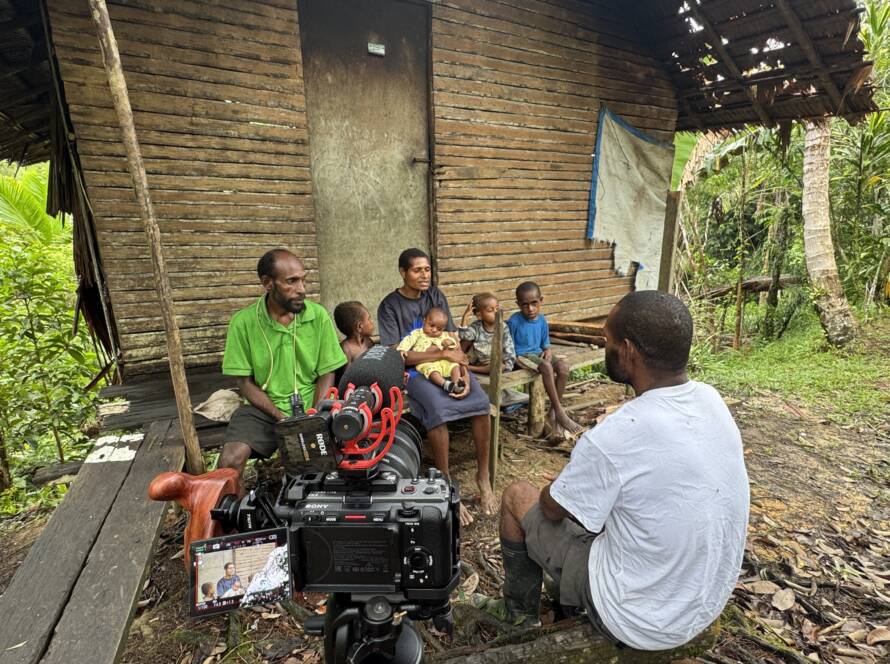
The challenge was significant: the government had a clear vision for a “Green-Blue” economy, but lacked the baseline data on the people and commodities living within it. To support the implementation plan, CEF conducted extensive fieldwork across two key GBEP pilot sites—Kunua (terrestrial/green) and the Pirung Wildlife Management Area (marine/blue)—alongside Buka Town.
Using a mixed-methods approach, our team engaged 150 participants, including community producers, private firms, and government officials. This collaboration didn’t just collect numbers; it established a culturally respectful research framework. We utilised a rigorous three-tiered consent process—incorporating written, verbal, and community leader (chiefly) consent—to ensure our data collection respected the local governance protocols and cultural norms of the region.
Key Findings: Supporting the Implementation Plan
Our research identified the specific “binding structural constraints” that the Bougainville government must address to make the GBEP a reality:
- Logistical Costs: We found that transport costs dominate local economics, accounting for approximately 54% of costs in Pirung and 50% in Kunua.
- Infrastructure & Connectivity: Poor roads and weak digital access were identified as the primary hurdles preventing smallholders from participating in sustainable markets.
- Financial Barriers: While the policy aims for growth, 58% of community respondents are struggling with high inflation, and access to formal credit remains nearly impossible due to travel costs and strict banking requirements.
From Fieldwork to Global Publication
The baseline data we gathered has already contributed to several significant publications, including the “Constraints and Opportunities in Conservation Commodities” paper. Our team, including CEF’s Mazzo Bineng and Alessandro Prestia working alongside experts like Dr Jeffery Noro, contributed directly to the formulation of the GBEP implementation plan. By providing this data, we ensured that the government’s next steps are informed by the lived realities of Bougainville’s remote communities.
Our Role as a Social Enterprise Partner
This project underscores CEF’s role as a sophisticated service provider. We offer research and consultancy services to public sector decision-makers and private organisations who need to navigate complex social and economic landscapes. Unlike traditional aid models, our consultancy activities are professional services that fund our charitable mission, creating a sustainable loop of development and discovery.
Partner with CEF for Evidence-Based Implementation
For policy makers, international agencies, and private corporations, CEF offers the ground-level expertise and academic rigour required to operate in isolated communities. We don’t just deliver projects; we provide the intellectual infrastructure to ensure those projects succeed.
To learn more about our research capabilities or to discuss a consultancy partnership for your next project please contact us.
Read more about the Bougainville Green Blue Economic Policy below: