Shadows of the Fly River: The Legend of the Cassowary’s Revenge
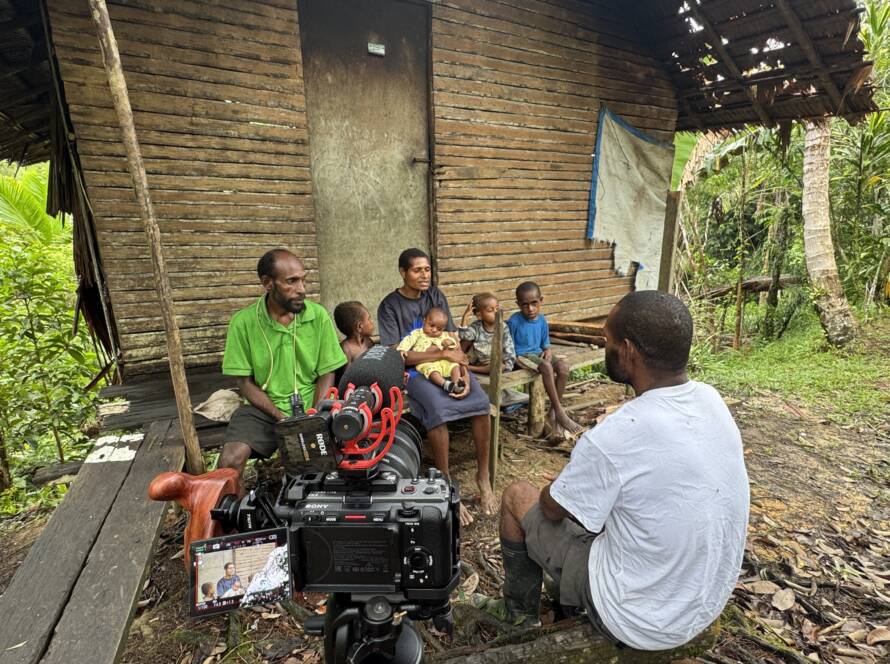
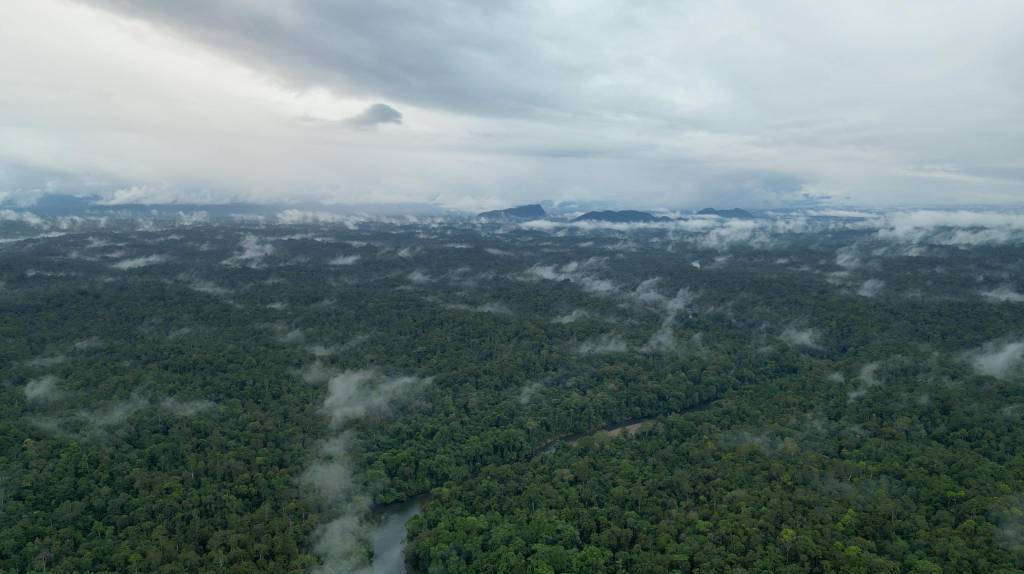
The Legend of the Cassowary’s Revenge: During our 2024 Development Project in Hupen, a community resting twelve hours deep into the riverine frontier of Western Province, our field team observed a fascinating story in the region. As evening fell over the tributary of the Fly River, the conversation shifted from the mechanics of the 21st century to the ancient spiritual geography that defines life in the North Fly. Sitting with the village elders, we listened as they shared the persistent reality of black magic, or sanguma, a force that remains as real to the community as the river itself.
The elders explained that in these remote reaches, your physical presence leaves a trail far more dangerous than just footprints. To the practitioners of black magic, a person’s DNA is a direct gateway to their soul. They warned us that even the smallest discarded fragment, a cigarette butt stained with saliva, a stray lock of hair, or a scrap of clothing, is enough for a sorcerer to mark a victim.
Once this mark is placed, the person is no longer just a resident of the village; they become a magnet for misfortune. The elders spoke of a wasting sickness that defies any medical treatment we could provide and a terrifying forest mark that strips a hunter of his invisibility. When a man is marked, the jungle no longer hides him; instead, the most lethal creatures of the rainforest are psychically drawn to find and hunt him down.
One specific legend from the community of Kiangabib serves as the region’s most famous warning of how this magic can manifest through transformation. The story follows a man who had become a burden to his family, constantly loitering at the home of his sister and her husband, refusing to work and draining their limited resources. Frustrated by this perceived laziness and constant intrusion, the husband decided to use the ancient rites of the region to settle the score. Knowing the brother-in-law was heading into the deep bush to set traps for the southern cassowary, the husband utilized black magic to transfer his own consciousness into the body of the very bird being hunted.
In the dense undergrowth, the husband, now in the form of the formidable flightless giant, found the brother in law’s trap. In a calculated move that no wild animal would ever attempt, the bird intentionally stepped into the mechanism to trigger it.
Hearing the snap of the trap and the heavy thrashing of what he believed was a massive prize, the brother in law rushed forward, blinded by the excitement of the catch. However, as he reached the trap to claim his kill, the transformed husband utilized the lethal strength and the dagger like talons of the cassowary to launch a sudden fatal attack. The hunter was killed by the very creature he thought he had outsmarted, leaving behind a story that still echoes through the villages of the Fly River today.
The history of black magic in Papua New Guinea is deeply rooted in thousands of years of traditional spiritualism, where the natural and supernatural worlds are inextricably linked. For generations, sanguma has served as a complex social mechanism used to explain sudden illness, death, or tribal misfortune in a world without modern medicine. Historically, these beliefs were not merely about harm but formed a system of justice and social control within village structures, where spiritual power was as tangible as physical strength. Despite the introduction of external religions and modern technology, these deep seated traditions persist throughout the highlands and riverine provinces, continuing to shape the way communities interact with their environment and manage internal conflicts.