At the Collective Empowerment Foundation, we believe that data and stories are not just resources to be extracted. Research is a heavy responsibility that requires deep ethical grounding, especially when working in some of the world’s most remote and isolated regions where the people there have historically been excluded from global discourse. Our Research Policy is built on the principle that the communities we work with are not subjects of study, but active partners in development whose local knowledge is as valuable as the data we collect. CEF’s primary research priority is the maintenance of respect and transparent communication with every stakeholder involved, placing a particular focus on the communities at the heart of our projects. Before any data is collected, any interview is conducted, or any environmental observation is recorded, we ensure that the purpose, the technical process, and the potential outcomes of the research are communicated clearly to all participants. We refuse to operate in shadows; our presence in any community is defined by an open dialogue that honors local leadership, traditional protocols, and the lived experiences of the residents.
Ethics Through Understanding and Consent
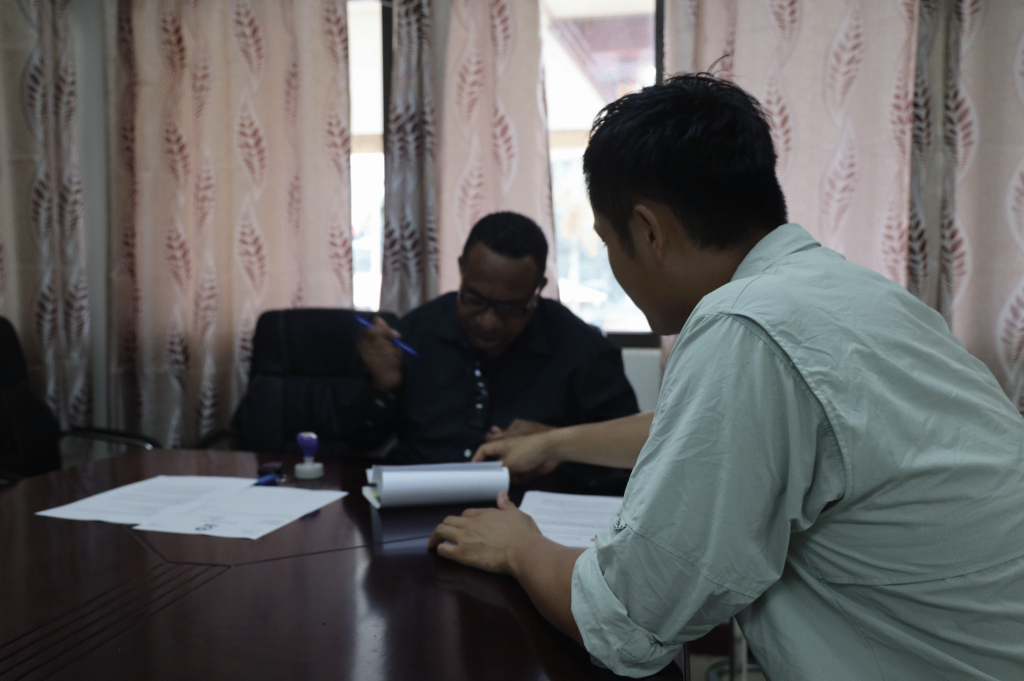
A core tenet of our governance is the firm belief that if the nature of our research cannot be understood by those affected by it, then it is not ethical research. We reject the use of overly academic, technical, or gatekept language that creates a power imbalance and distances researchers from the community. If a participant cannot grasp exactly why we are asking specific questions, how their information will be digitized, and how that information will ultimately be used to influence aid or infrastructure, we have failed our ethical duty. True informed consent is only possible when there is true shared understanding, and we ensure our methodologies are explained in terms that are accessible, culturally relevant, and translated into the local context. Formalizing this respect is a mandatory requirement for documented consent. Every single participant in CEF research is required to complete a consent form, whether in written or verbal format depending on the literacy needs of the individual. These forms serve as a clear agreement that the participant understands their rights, including the right to refuse to answer any question or to withdraw from the research at any time without any negative consequences or loss of access to CEF services. This process ensures that participation is always a voluntary choice made with a full and transparent grasp of the project’s scope.
Data Integrity and Policy Impact
The information we gather is treated with extreme privacy to protect the identities, safety, and cultural intellectual property of those who share their stories with us. We understand that data collected in remote or vulnerable regions can be sensitive, involving health status, local resources, or social structures, and we have established strict encryption and storage protocols to safeguard it within our internal systems. However, we also recognize that isolated data does not facilitate systemic change. Our goal is to spread our research in a safe, controlled way that allows decision makers, partner organizations, and fellow researchers to contribute toward meaningful, evidence-based policy.
Sharing of CEF research data is desirable from our end but only allowed upon formal request and a subsequent rigorous review by our internal Research Committee to ensure the intended use aligns with our ethical standards and community protections. By managing data with this balance of rigorous privacy and strategic transparency, we aim to provide high-quality, ground-level insights that help shape policy for the communities that need it most, ensuring their realities are accurately represented to the world.