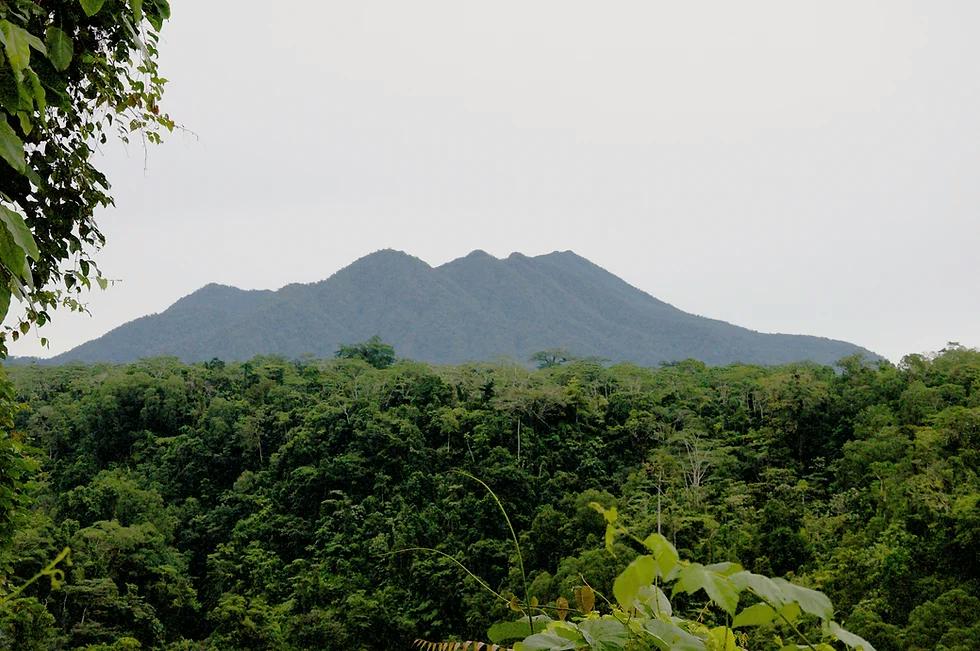
For many in the Autonomous Region of Bougainville (AROB), economic life is inextricably linked to the land and the sea. From the fertile cocoa groves of Kunua to the rich marine ecosystems of the Pirung Wildlife Management Area (WMA), rural livelihoods are built on “conservation commodities”—products that depend on a healthy environment to thrive.
However, until recently, a significant “data gap” made it difficult to understand the true pulse of these local economies. To support the implementation of the government’s Green-Blue Economic Policy (GBEP), the Collective Empowerment Foundation (CEF) conducted extensive field research to capture the first-ever baseline economic data for these regions. Here is what we found on the ground.
The High Cost of Distance
One of the most striking findings from our research is the sheer impact of geographical isolation on a family’s income. In rural Bougainville, transport costs don’t just take a “bite” out of profits—they often dominate the entire economic structure.
- Pirung WMA (Marine): Approximately 54% of the total cost of production is spent simply on transport.
- Kunua (Land): Roughly 50% of costs are tied to logistics.
When over half of a producer’s potential earnings are consumed by the journey to market, it creates a massive barrier to growth. This “transport tax” is exacerbated by poor road infrastructure and limited digital connectivity, which prevents farmers and fishers from checking market prices or coordinating more efficient logistics.
The Power of Practical Training
While the challenges are significant, the research also highlighted a clear “multiplier effect” when communities are empowered with the right skills. We found a dramatic difference in the performance of those who had received practical training compared to those who had not:
- For Fishers: Trained individuals saw a 94% higher operating margin than their untrained peers.
- For Farmers: Practical training was associated with an average increase of PGK 820 per harvest.
This data proves that capacity-building isn’t just a “nice-to-have”—it is a critical economic driver. When producers learn better handling, hygiene, and processing techniques, they can demand higher prices and reduce waste, keeping more value within the local community.
Identified Constraints & Opportunities
Our fieldwork with 150 participants—including local producers, private firms, and government officials—identified several “binding constraints” that currently suppress the rural economy:
- Cold-Chain Infrastructure: In coastal communities like Pirung, the lack of cold storage leads to significant spoilage of highly sought-after marine products.
- Financial Access: Approximately 58% of community respondents reported feeling intense pressure from inflation (estimated between 20–40%), yet formal credit remains out of reach for most due to the travel costs and strict requirements of traditional banks.
- Unsustainable Practices: In some areas, unsustainable logging and overexploitation of fish stocks are already threatening the natural assets that the economy depends on.
The Path Forward: From Evidence to Action
The GBEP is a visionary policy, but our research shows that its success depends on solving these practical, ground-level problems. To support the government’s implementation plan, CEF has recommended several pilot-ready actions:
- First-Mile Cold-Chain Nodes: Establishing aggregation hubs with cold storage to reduce wastage and tap into international seafood markets.
- Decentralised Microfinance: Creating agent-based banking systems that bring financial services to the village, bypassing the need for expensive travel.
- Rules-Based Value Chains: Developing structured systems for high-value goods like mud crabs to ensure fair prices for producers and protection for the environment.
Building a Resilient Bougainville
At CEF, our role as a social enterprise is to provide the evidence and infrastructure that turn these insights into reality. By mapping the economic pulse of rural Bougainville, we are helping to ensure that the transition to a Green-Blue economy is not just a policy goal, but a lived reality that empowers communities to be self-sufficient and resilient for generations to come.
To learn more about our research & consultancy services, visit our ‘Research & Consultancy’ page.