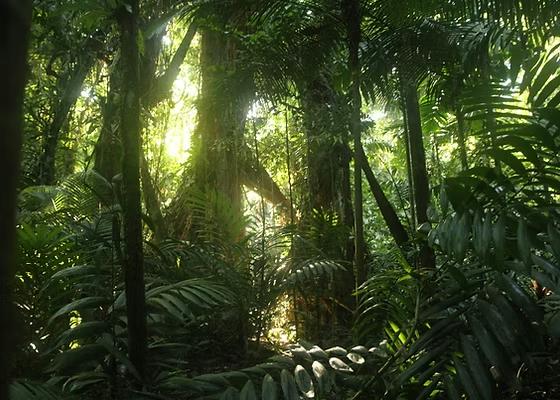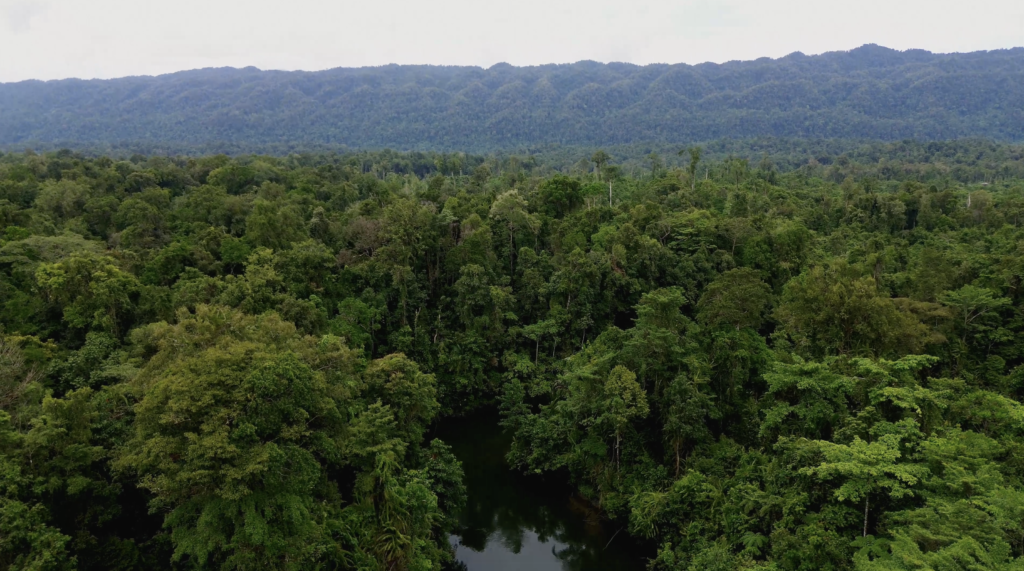
During our 2026 Development Project deployment to Temefin, a strategic corridor community located at 5.76557° S, 141.61057° E on the Fly River, the most profound moments did not happen while we were wiring the new solar station or setting up water systems. They happened in the quiet hours of the evening, sitting with the community and sharing stories as the river flowed silently by in the dark.
Our team is diverse, and during our conversations, one of the locals turned to a Asian member of our CEF crew and remarked that he was the first Asian person to ever come to this region. Before the statement could settle, one of the village elders shook his head. He corrected the group gently and explained that there was one earlier, drawing the attention of the entire circle. What followed was a fascinating piece of oral history that bridged the deep isolation of the Fly River with the sweeping global conflicts of the 20th century. The elder was not talking about a modern development worker; he was talking about a Japanese soldier in World War 2.
According to the elders, the story takes place in the 1940s. A lone Asian man, exhausted and completely disconnected from his unit, stumbled out of the dense rainforest and made first contact with the people of Temefin. He was dressed in a Japanese World War II military uniform and carried a rifle, items that were entirely alien to the community at the time. Despite the language barrier and the immense cultural divide, the village took him in. It was unclear whether the soldier lived among them for a time before eventually succumbing to an unknown illness or passed shortly after first contact.
Showing respect for the stranger, the locals built a grave frame and buried him in his full uniform, placing his rifle and his remaining belongings in the grave with him. For decades, he rested there as a quiet secret of the village, until much later when grave robbers, likely outsiders aware of the lucrative black market for World War II artifacts, desecrated the site and stole his weapon and gear.
As we listened to the story, we were struck by a historical puzzle. World War II reached Papua New Guinea in 1942, but the Western Province and the Fly River saw virtually no ground combat. The major battles were fought far to the north along the Kokoda Track, Milne Bay, and the northern coast. There are two highly educated guesses that explain how a Japanese soldier ended up deep in the Fly River corridor in the 1940s.
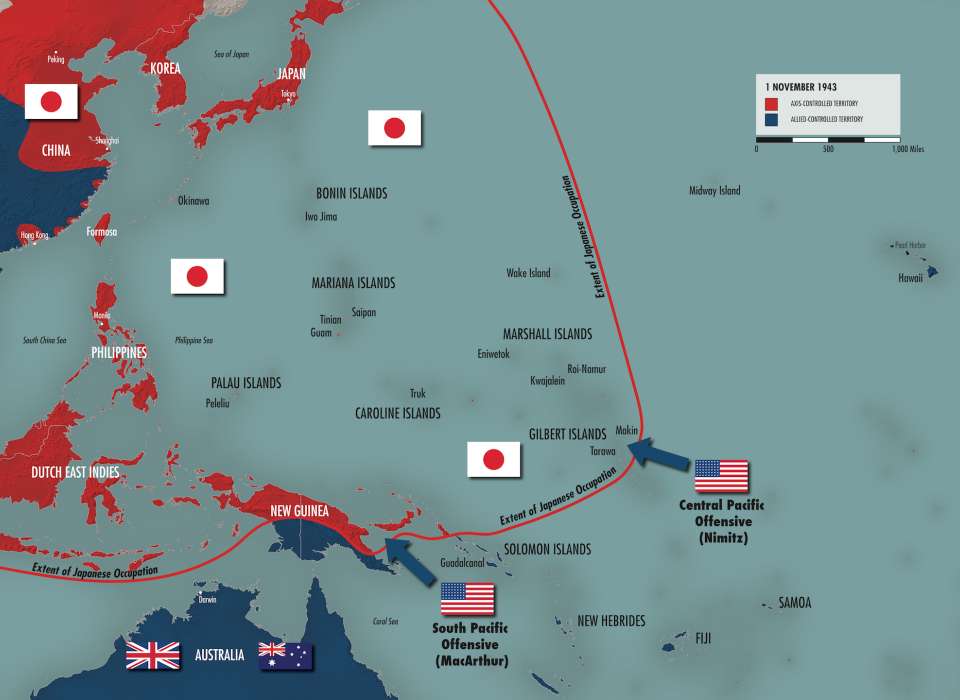
One possibility is that he was a lost airman. During the Pacific War, Japanese aircraft frequently flew reconnaissance and bombing missions over the vast, unmapped swamps of Western Province en route to targets in northern Australia. If a plane suffered mechanical failure or was damaged and went down in the jungle, a surviving pilot or crew member would have faced an impossible trek. Following river systems is a basic survival tactic, which could have led a downed airman straight to the banks of the Fly River and into Temefin.
The second possibility is that he was a border straggler. Japanese forces occupied nearby Dutch New Guinea, which is modern day Indonesia, just across the western border of PNG. The border region is incredibly porous and defined by dense rainforest. A scout or soldier separated from his patrol during a skirmish or a retreat could have wandered eastward. Following the tributaries of the Fly River in a desperate search for the southern coast, he would have eventually arrived at the village.
Whether he was a lost aviator falling from the sky or a desperate straggler crossing the border, his story is a testament to the immense and unforgiving scale of the Western Province. It also highlights the inherent hospitality of the remote communities we work with.