


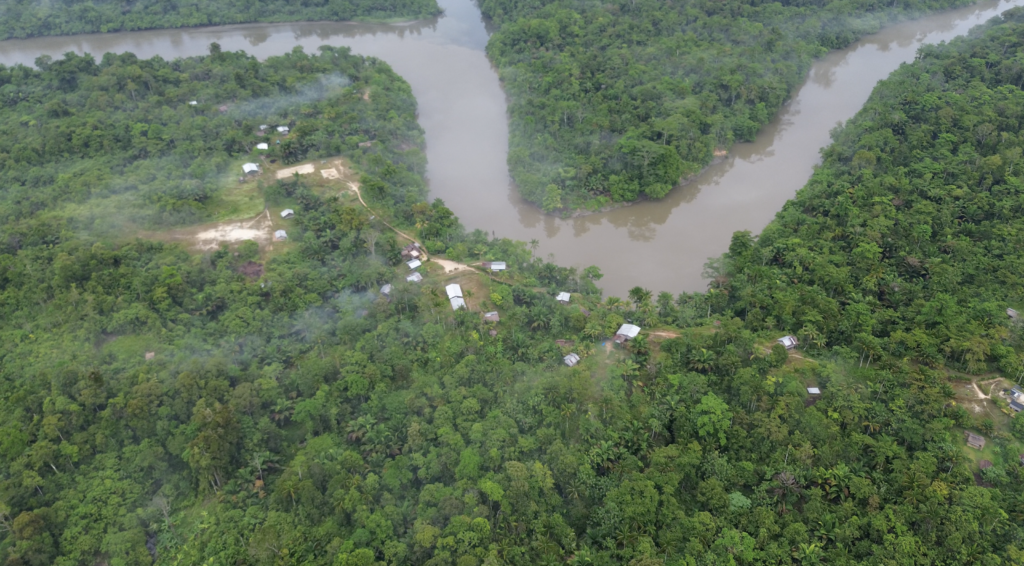
In the remote geography of the North Fly District, location is everything. The community of Temefin, situated at 5.76557° S, 141.61057° E, occupies a vital corridor along the Fly River and Wok Luap River. While many neighboring villages struggle with total isolation, Temefin sits in a unique position: they have access to a cellular signal, but until recently, they had no way to harness it.
Without a reliable power source, mobile phones were often dead, and the potential for digital communication was left untapped. The Temefin 2026 Development Project was designed with the North Fly District Administration and local stakeholders to bridge this specific gap, turning a strategic location into a functional hub for the region’s 100 residents.
1. Activating the Digital Corridor
The primary objective for Temefin was to provide the “energy spark” needed to utilize their existing connectivity. We deployed a standardized EcoFlow Solar Power Station, featuring the DELTA 2 Max with expanded storage.
- Charging Hub: By establishing a reliable solar charging station, community members can now keep mobile devices active. This allows for real-time coordination of river transport, market price checks, and emergency communication with township centers.
- Energy Resilience: The 6.1 kWh system ensures that even during the Fly River’s frequent overcast periods, the community has enough stored energy to keep lights on and devices powered throughout the night.
2. Health Capacitation and Frontline Care
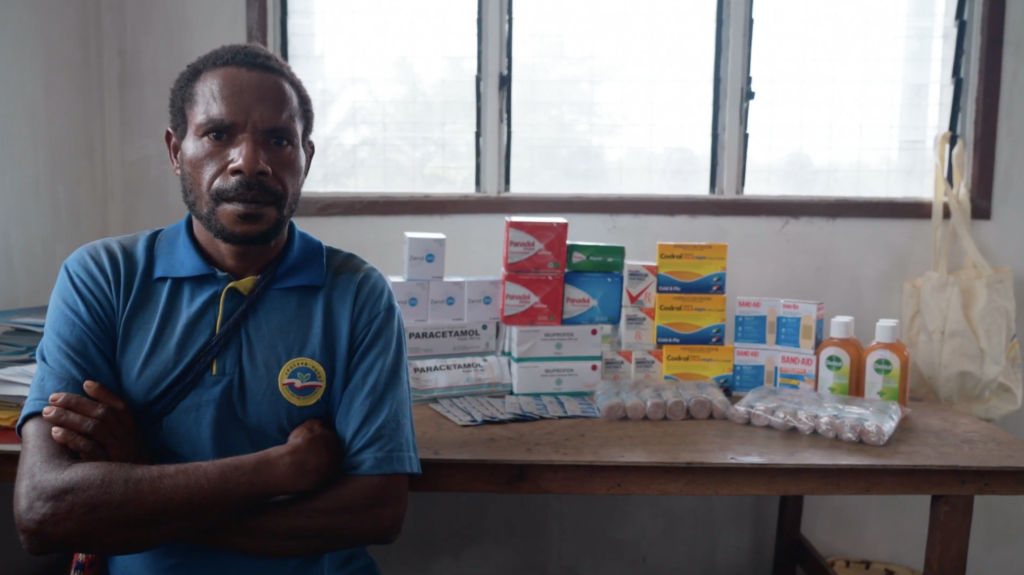
Because Temefin serves as a corridor for travelers and locals alike, its capacity to handle health issues is of regional importance. The World Bank in 2016 funded a building of an aid post in the community but no one followed up with the medical provision. CEF integrated a medical support package into the infrastructure deployment to build onto the existing assets of the community:
- Medical Inventory: We supplied the community aid post with essential medicines and first-aid kits to manage common tropical ailments and injuries sustained during river transit or agricultural work including penicillin, anti-fungals, anti-virals, antiseptics and other medicines.
- Specialized Health Training: Our team conducted hands-on medical training for local volunteers. This focused on basic triage, the correct use of the provided pharmaceuticals, STD education, and stabilizing patients for the long river journey to a hospital. By training the residents of Temefin, we have created a more capable “first-response” point on the Fly River map.
3. Clean Water for a Growing Hub
To ensure the long-term health of the corridor, CEF provided household clean water systems.
- The System: We utilized 0.1-micron absolute hollow fiber membrane filters, which are medical-grade and capable of removing 99.99999% of bacteria without the need for electricity.
- Sustainability: We trained the community in the “back-washing” technique. This ensures that the filters can be maintained and indefinitely using the replacement units provided, allowing for safe water for residents and travelers without any recurring costs.
Why the CEF Model Works
The Temefin project is a perfect example of our “targeted infrastructure” approach. We didn’t just provide aid; we provided the specific missing link—power—that allowed the community to unlock the value of their existing signal.
Consistent with our governance and ethics standards, this project was executed with full community co-design. Every piece of equipment was funded by the resources of CEF, ensuring that our growth is fueled by a genuine commitment to the people of the North Fly.
Temefin is now more than just a stop on the river; it is a powered, connected, and medically capable hub.
To see more of what we do, visit the ‘Our Work’ page on our website.
